
Pool Equipment Installation in Pensacola
Pool equipment installation in Pensacola should begin with what your pool needs, not with a catalog of upgrades. A pump that runs inefficiently, a heater that struggles in cooler months or controls that confuse guests can all make a good pool frustrating to own. Payne Pool Professionals evaluates the circulation system and the coastal environment before recommending replacement, automation or new equipment.

What does pool equipment installation include?
The equipment pad is the working center of a pool. A pump moves water through plumbing and the filter, while the filter removes suspended debris. A variable-speed pump adjusts motor speed to suit different tasks rather than always operating at one fixed output. A heat pump transfers heat from surrounding air to pool water, and an automation system lets compatible components follow programmed settings.
Each choice affects other parts of the installation. A more powerful pump does not automatically improve a pool if the plumbing or filter is not designed for the resulting flow. Heater performance depends on the pool's volume, desired temperature and operating conditions. Before replacing one component, ask how it interacts with the entire system and whether existing electrical supply, valves and connections remain appropriate.
For an overview of available work, explore Gulf Coast pool services.
Is an equipment upgrade the right fix?
An equipment project is a good fit when: You want more predictable circulation, simpler controls, heating options, better service access or replacement of a failing component. It may also make sense while renovating the pool or surrounding deck.
Look beyond the pad if: Water loss, visible surface damage or drainage problems are the real concern. A new pump will not fix cracked coping or a deteriorated finish. Review Gulf Coast pool remodeling where the physical pool needs attention, or custom gunite pool construction if the project involves a major new outdoor layout.
Pumps, pool heat pumps and automation choices
For pump replacement, document how the pool currently operates: filter type, plumbing arrangement, cleaning method and any features that need specific flow. Variable speed is useful when programmed intelligently, but the settings should be explained at handover. Do not assume one generic schedule suits every pool.
For pool heater installation in Pensacola, decide whether the goal is extending the season or maintaining a consistently warm pool. Heating needs change with wind, temperature and surface exposure. Controls also matter. Pool automation along the Gulf Coast can make monitoring easier for second-home owners, but remote access should not replace physical checks after storms or power interruptions. Ask how the system behaves when an internet connection is unavailable.
For a saltwater pool system in Pensacola, confirm compatibility with current materials and understand that water chemistry still requires regular attention. The sanitation equipment does not remove the need for filtration, brushing or inspection.
Coastal protection for the equipment pad
Salt air is an equipment-placement problem as much as a product-choice problem. Assess cabinet exposure, connections, ventilation and whether splashing or roof runoff reaches the pad. Flood-prone areas warrant special attention to electrical safety and the elevation of susceptible components, guided by qualified installers and applicable requirements.
A location tucked behind dense landscaping may look attractive but be difficult to service. Preserve appropriate clearances around pumps, heaters and electrical equipment. A coastal installation should remain accessible for inspection after wind-driven rain, fallen branches or extended periods when the property is vacant.

Equipment permits and technical approvals
Electrical, plumbing and heater work may require specific permits, inspections or qualified trades depending on the installation. Confirm the jurisdiction and scope before beginning. A permit issued for the original pool does not necessarily cover a new gas connection, electrical circuit or major system change.
Ask whether an HOA has equipment-screening or noise requirements before selecting the final pad location. For properties in Baldwin County, Alabama, the relevant review authorities are separate from those in Northwest Florida. A safe equipment plan needs both appropriate technical design and correct local review.
Our pool equipment process on the Gulf Coast
Diagnose the operating problem
Record symptoms, assess plumbing and filtration, and determine whether a replacement would address the actual issue.
Specify compatible components
Match the pump, filter, heater or control system to the pool and its existing infrastructure.
Plan location and approvals
Review drainage, clearance, electrical needs and applicable permit requirements.
Remove and install carefully
Isolate the old equipment, complete plumbing and electrical work through appropriate qualified personnel, and protect the surrounding area.
Program and test operation
Check flow, temperature functions, sanitizing equipment and automation behavior under realistic settings.
Explain maintenance and controls
Show the owner how to operate the system, identify alerts and arrange routine care without guessing at the controls.
Compare finished pools in the Gulf Coast swimming pool gallery and find the service territory on the Northwest Florida regional hub.
Pool equipment ideas
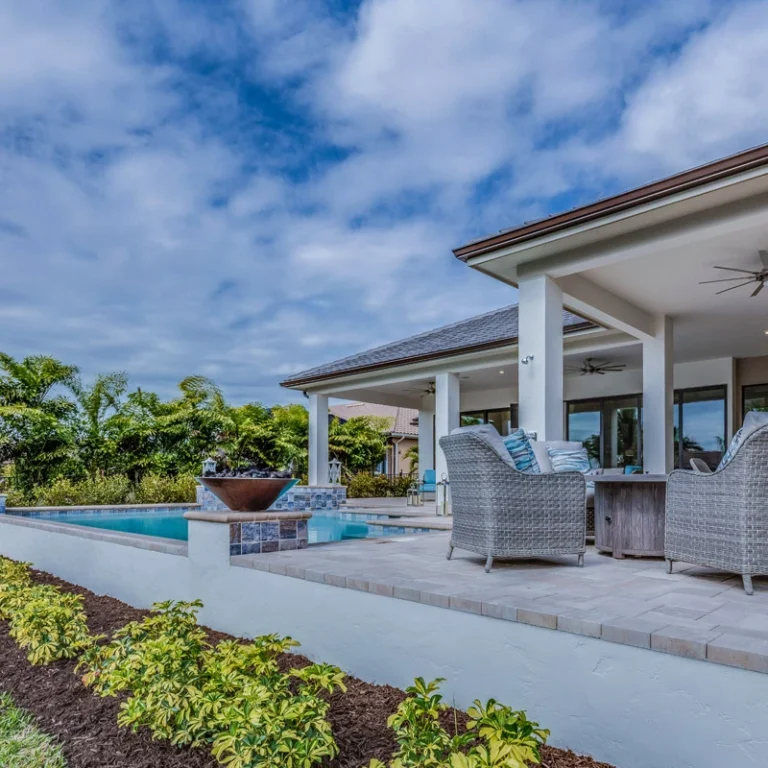
Completed pools by Payne Pool Professionals, where pumps, heating, lighting and automation work behind the scenes.


Materials, decking and design decisions
Equipment works best when the surrounding design anticipates maintenance. Review decking and coping plans if renovation work will change access paths, and exterior finishes when adding screening or an enclosure. Product details should be selected after technical compatibility is established. Specific brands and models are confirmed in the final installation proposal.
What Gulf Coast homeowners say
When reading equipment reviews, focus on whether the diagnostic reasoning and control setup were explained clearly.


Browse Gulf Coast pool builder reviews for customer accounts about pool equipment projects.
Visualize your design and explore financing
Click to view a sample 3D pool rendering.
The 3D pool design experience can help when an equipment project accompanies a larger yard update. The financing page lists provider options for eligible projects.
Request a Gulf Coast Consultation
Share a few details about your property and project, and the Payne Pool Professionals Gulf Coast team will follow up about next steps.
Areas served in Pensacola and along the Gulf Coast
Pool pump replacement in Pensacola and pool equipment upgrades across Northwest Florida should account for the actual equipment pad, not just the postal code. Explore the Pensacola service area, Gulf Breeze, Navarre, Niceville and Panama City Beach. Equipment near open water can face different exposure from a sheltered inland yard even when the systems look identical.
Pool Equipment Installation in Pensacola: Frequently Asked Questions
A variable-speed pump is worth evaluating when the current unit is aging, inefficient or poorly matched to the pool. The decision should follow a review of filter capacity, plumbing, cleaning needs and required flow. Correct setup matters: an advanced pump running at inappropriate settings may fail to deliver the expected operating benefits.
A heat pump is one type of pool heater, using energy to move heat from the surrounding air into the water. Other heating technologies operate differently. Performance depends on the weather, pool volume and target temperature. Discuss the conditions in which you plan to swim rather than selecting equipment only by its advertised capacity.
Compatible automation systems can offer remote control for pumps, lights, heating and selected other functions. The available features depend on installed components and connectivity. Ask for a demonstration of ordinary operation and what happens during internet or power interruptions. Remote access does not replace on-site inspection after severe coastal weather.
No. Saltwater chlorination generates chlorine as part of the sanitation process. Water chemistry still needs monitoring, and the pool still requires routine cleaning and filtration. The equipment also has service needs. Discuss corrosion-resistant component choices because coastal air can affect metal surfaces even independently of the pool water.
Sometimes inadequate circulation contributes to clarity problems, but cloudy water can have multiple causes. Water chemistry, filter condition, cleaning and plumbing issues should be evaluated before assuming the pump is responsible. A new unit should be sized and programmed for the system rather than used as a substitute for diagnosing the water problem.
Permit and inspection requirements depend on the address and installation scope, particularly electrical work. The relevant city or county department can confirm the process. Your installer should also review electrical capacity, placement and required clearances before the equipment is ordered. Community restrictions may affect the visibility or noise of the proposed location.
Follow local emergency guidance and manufacturer instructions, secure nearby loose objects and avoid working on energized equipment in unsafe conditions. Do not assume a covered pad is floodproof. After a storm, have damaged or submerged electrical components assessed by qualified personnel before restarting. Site elevation and drainage planning are better handled before the next storm.
A service evaluation can identify whether a component needs adjustment, repair or full replacement. Availability of parts, the condition of the unit and compatibility with the rest of the system affect the recommendation. Ask for the diagnosed issue and a clear explanation of why the proposed action is appropriate before approving a larger equipment project.
Get Help With Pool Equipment Installation in Pensacola
Bring your survey, site photographs and questions to a discussion grounded in your property. Call 850.972.8472 or request your Gulf Coast project consultation.
Payne Pool Professionals LLC | Florida License CPC1459092 | Alabama License #54924